


What Are Your Options for Replacing Missing Teeth?
Losing a tooth affects more than your smile; it can also affect eating, speaking, and tooth alignment.
If you’re researching dental bridges in Ponte Vedra, you’re likely looking for a strong, natural-looking way to fill the gap.
When exploring dental bridges near you, it helps to know that bridges use nearby teeth for support, creating a fixed, stable solution. This is why patients have been receiving bridges for decades to restore both function and appearance.
How Do Fixed Bridges Restore Your Bite?
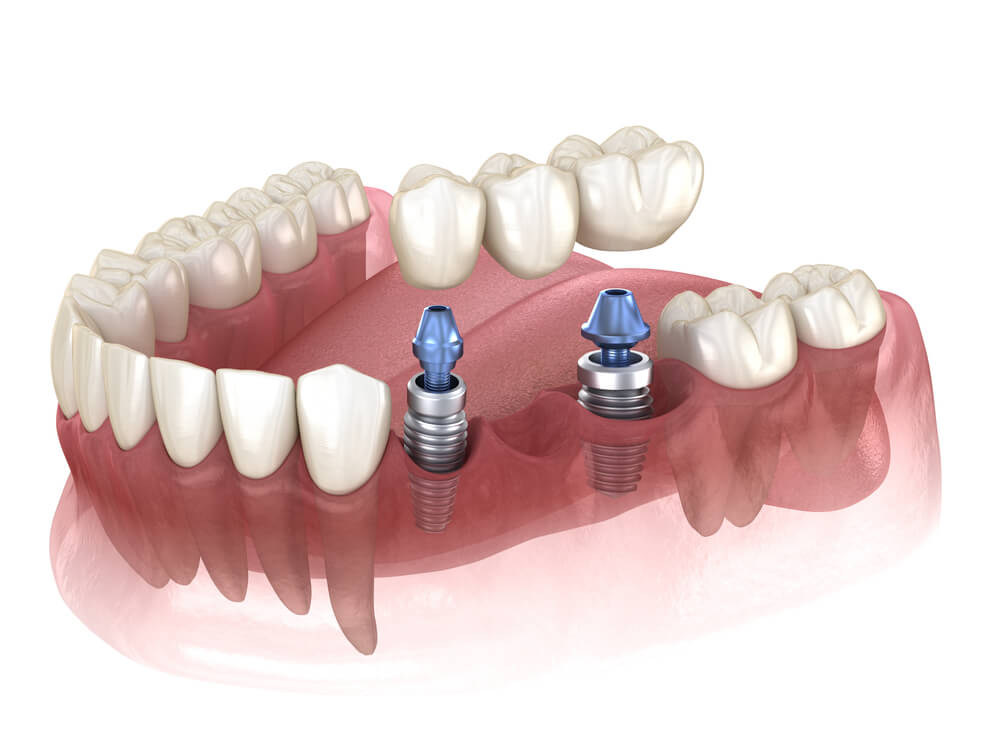
A bridge consists of joined crowns, with the end pieces fitting over natural teeth to support the replacement tooth in the middle. This time-tested method is a reliable form of professional dental restoration.
By filling the space, a bridge restores the balance of your bite and prevents the remaining teeth from tilting into the gap.
- Stability – Unlike removable dentures, it is cemented and will not slip.
- Alignment – It keeps the surrounding teeth in their correct positions.
- Efficiency – The process typically requires only two appointments.
- Longevity – With proper care, a bridge can last over a decade.
What Are The Most Common Dental Restoration Options?
Every patient has unique needs regarding tooth loss. During a consultation with a dentist in Ponte Vedra, your provider will walk you through various choices to find the one that fits your lifestyle:
- Partial Dentures – Removable appliances that fill gaps when several teeth are missing.
- Full Dentures – The traditional solution for replacing an entire arch of teeth.
- Implant-Supported Bridges – A hybrid where the bridge is anchored to implants rather than natural teeth.
- Flippers – Lightweight, temporary partials used during the healing phase of other treatments.
Why Should You Consider Dental Implants?
For many patients, the list of modern dental restoration options includes dental implants.
Unlike a bridge, an implant does not require modifying the teeth next to the gap. A small titanium post is placed into the jawbone, acting as a synthetic root.
This is considered a premier choice because it stimulates the bone and preserves the integrity of your entire facial structure, preventing the “sunken” look that can occur with long-term tooth loss.
How Does A Dentist Near You Determine The Best Fit?
The decision-making process is a collaboration between you and your clinical team.
A dentist near you will use digital X-rays to check your jawbone strength and the health of your existing teeth. If your anchor teeth are already decayed or have large fillings, a bridge can strengthen them while filling the gap.
However, if your neighbouring teeth are healthy and untouched, an implant may be better to avoid filing down healthy enamel on the adjacent teeth.
How Do You Maintain Your New Smile At Home?
Once your restoration is in place, your daily habits will affect how long it lasts. While the prosthetic cannot decay, the gums and bone are still at risk for disease.
- Use floss threaders to clean the space under the bridge.
- Professional check-ups ensure the seal remains intact.
- Do not chew ice or hard candies that could chip porcelain.
- Keep the foundation clean to prevent recession and disease.
Restore Your Confidence and Health
Replacing a missing tooth helps you protect your long-term oral health and allows you to eat and smile with confidence.
Whether you choose a bridge or an implant, restoring your bite keeps your remaining teeth strong.
At Lovelace Family Dentistry, we offer personalized care and clearly explain your treatment options using modern technology.
Ready to restore your smile? Contact us today to schedule a consultation and take the next step toward a healthy, complete smile.
FAQs
1. Is the process for getting a bridge painful?
The area is thoroughly numbed during the preparation, making the experience similar to getting a filling; minor sensitivity is normal for a few days.
2. How long does it take to get used to a new bridge?
Most patients feel completely natural within a week or two as the tongue and cheeks adjust to the new structure in the mouth.
3. Will my insurance cover the cost of a replacement tooth?
Many plans cover a significant portion of bridges as a primary restorative need, though coverage for implants varies by provider.
4. Can I replace a tooth that has been missing for years?
Yes, though you may need a bone graft or orthodontic adjustment if the gap has narrowed or the bone has thinned over time.