


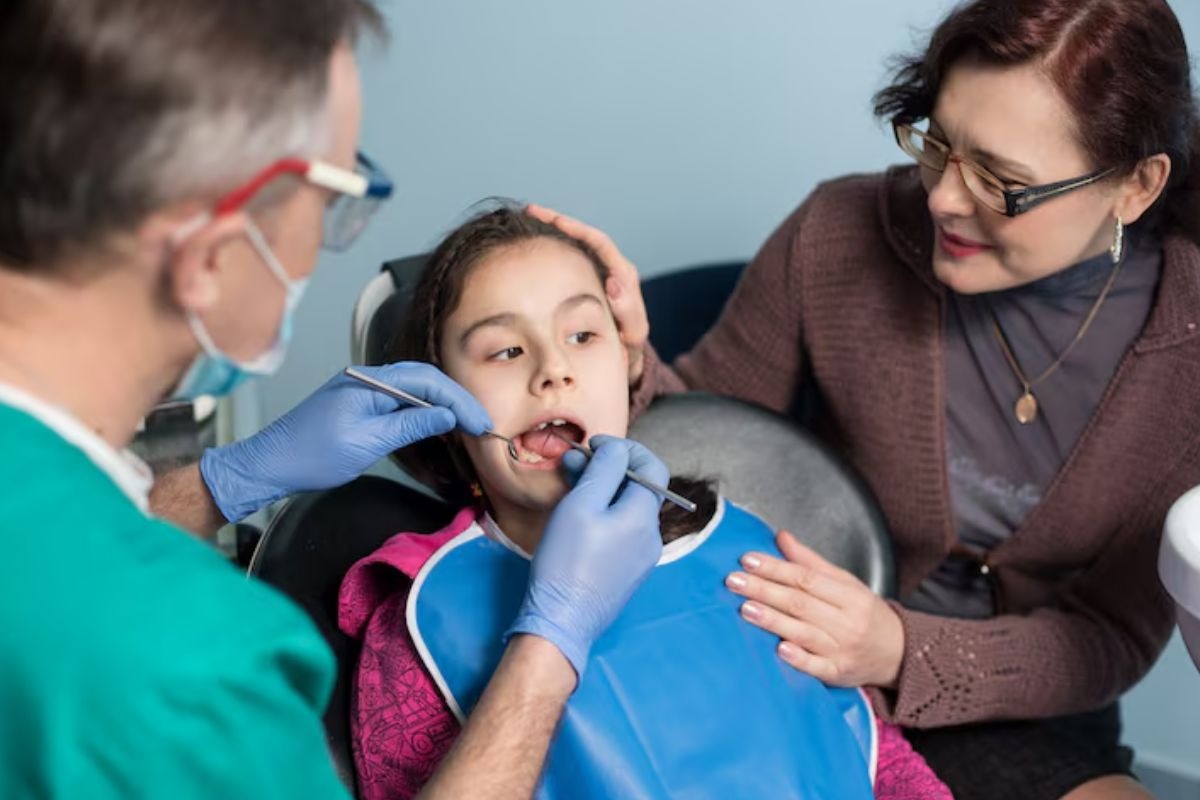
A pulpotomy removes inflamed or infected pulp from the crown of a baby tooth while preserving healthy pulp in the roots when possible. Pulpotomy in Ponte Vedra may be recommended when deep decay or an injury reaches the pulp chamber, but the remaining root tissue can still be maintained.
Keeping a baby tooth may support chewing and preserve space for the permanent tooth developing beneath it. Not every damaged tooth qualifies; examination and, when indicated, dental X-rays help determine whether a pulpotomy or another treatment is appropriate.
What Is a Baby Root Canal?
A pulpotomy is often called a baby root canal, but it differs from a complete root canal. It removes affected pulp from the crown portion of a primary tooth and leaves suitable pulp in the roots. The goal is to keep the tooth functional until it is ready to fall out naturally.
Baby teeth matter even though they are temporary. They help children chew and speak, and they guide permanent teeth into position. Removing a baby tooth early may affect spacing, depending on which tooth is lost and the child’s development.
Keeping them healthy can also reduce discomfort and help a child maintain eating routines as their mouth develops.
When Might a Pulpotomy Be Recommended?
A pulpotomy may be considered when deep decay or trauma damages the pulp inside the crown, while the root pulp remains healthy enough to be preserved. Possible signs include prolonged toothache, sensitivity, pain when chewing, or swelling near the tooth.
Some children have few obvious symptoms, so appearance alone cannot show how far decay has progressed.
The dentist checks the tooth, surrounding gums, and bite, and may use dental imaging to assess the roots and surrounding tissues. If there is evidence that infection has spread into the roots or the tooth cannot be restored reliably, another treatment may be safer.
Treatment planning also considers whether the remaining tooth can support a durable filling or crown and whether the child can tolerate the procedure.
What Happens During the Procedure?
Treatment is usually performed with a local anaesthetic to keep the child comfortable. The dentist opens the tooth, removes the affected pulp, places a suitable material over the remaining pulp, and seals the tooth with a restoration. Specific steps depend on the tooth’s condition and the clinical findings.
A filling may be enough for some teeth, while a crown can offer better protection when substantial structure has been lost. The dentist will explain which restoration is recommended and why. A pulpotomy does not clean and fill the entire root canal system; it treats the affected pulp in the crown while preserving the remaining root pulp.
Pulpotomy or Extraction: What Affects the Choice?
The pulpotomy vs. extraction decision for a baby tooth comes down to whether the tooth can be restored, the condition of the root pulp, the extent of infection, and how long the tooth is expected to remain. A pulpotomy may preserve a tooth; extraction may be recommended when damage is severe, or infection makes preservation unsuitable.
If a baby tooth must be removed early, the dentist may check whether a space maintainer is needed. This is not necessary for every child and depends on the tooth’s location, the stage of development, and the space available for the permanent tooth.
Recovery and Follow-Up
Follow the dental team’s instructions for eating, brushing, and any recommended medication. Some tenderness may occur after treatment, but worsening pain, swelling, fever, drainage, or difficulty eating needs prompt review. Trouble swallowing or breathing requires urgent medical care.
A Ponte Vedra dentist can assess the tooth and explain treatment options based on an examination rather than symptoms alone. Follow-up helps check the restoration and confirm the tooth remains comfortable while it is retained. Continue brushing twice daily with fluoride toothpaste and limit frequent sugary snacks to help protect the remaining teeth.
Choose the Right Care for Your Child
A damaged baby tooth does not always need to be removed. With an assessment, you can understand whether preserving it is realistic and how treatment may support your child’s comfort and development.
Schedule a consultation with Lovelace Family Dentistry to discuss your child’s tooth and suitable treatment options. Clear guidance can help you move forward with confidence.
FAQs
Does my child need a pulpotomy?
For parents wondering, “does my child need a pulpotomy?”, the answer depends on the depth of decay, the condition of the pulp and roots, and whether the tooth can be restored. An examination, with imaging when indicated, helps determine the safest option.
Is a pulpotomy painful?
Local anaesthetic is used to numb the tooth during treatment. Some soreness may occur afterward, but the dental team can explain expected recovery and what to do if discomfort increases.
Will my child need a crown after a pulpotomy?
Sometimes. A crown may be recommended when extensive decay or the treatment leaves too little tooth structure for a durable filling. The restoration depends on the tooth’s position, remaining structure, and expected function.
What happens if a pulpotomy is not suitable?
If the pulp or root is too affected, or the tooth cannot be restored, extraction or another treatment may be recommended. The dentist will explain the reasons and whether the space needs monitoring or management.