


Cavities are one of the most common dental problems in the world—and one of the most preventable. Yet even people who brush and floss regularly can still develop decay in the deep grooves of their back teeth. This is exactly the problem that dental sealants are designed to solve.
Understanding dental sealants before and after the treatment helps you see just how much of a difference this simple procedure can make especially for children, but for adults too.
What Are Dental Sealants?
Dental sealants are a thin, protective coating painted directly onto the chewing surfaces of the back teeth—the molars and premolars. These surfaces have deep pits and grooves where food and bacteria collect easily and where a toothbrush simply cannot reach, no matter how well you brush.
Once the sealant is applied, it hardens and forms a smooth shield over those grooves. Bacteria and food particles can no longer settle into the deep ridges of the tooth. The surface becomes much easier to keep clean.
The procedure is quick, completely painless, and requires no drilling or removal of any tooth structure.
What Should You Look for When Finding Dental Sealants Near You?
When searching for dental sealants, look for a dental practice that offers a thorough assessment before applying sealants. The teeth need to be clean and free of decay before the coating is placed. A good dental team will examine each tooth carefully and confirm that sealants are appropriate for your situation.
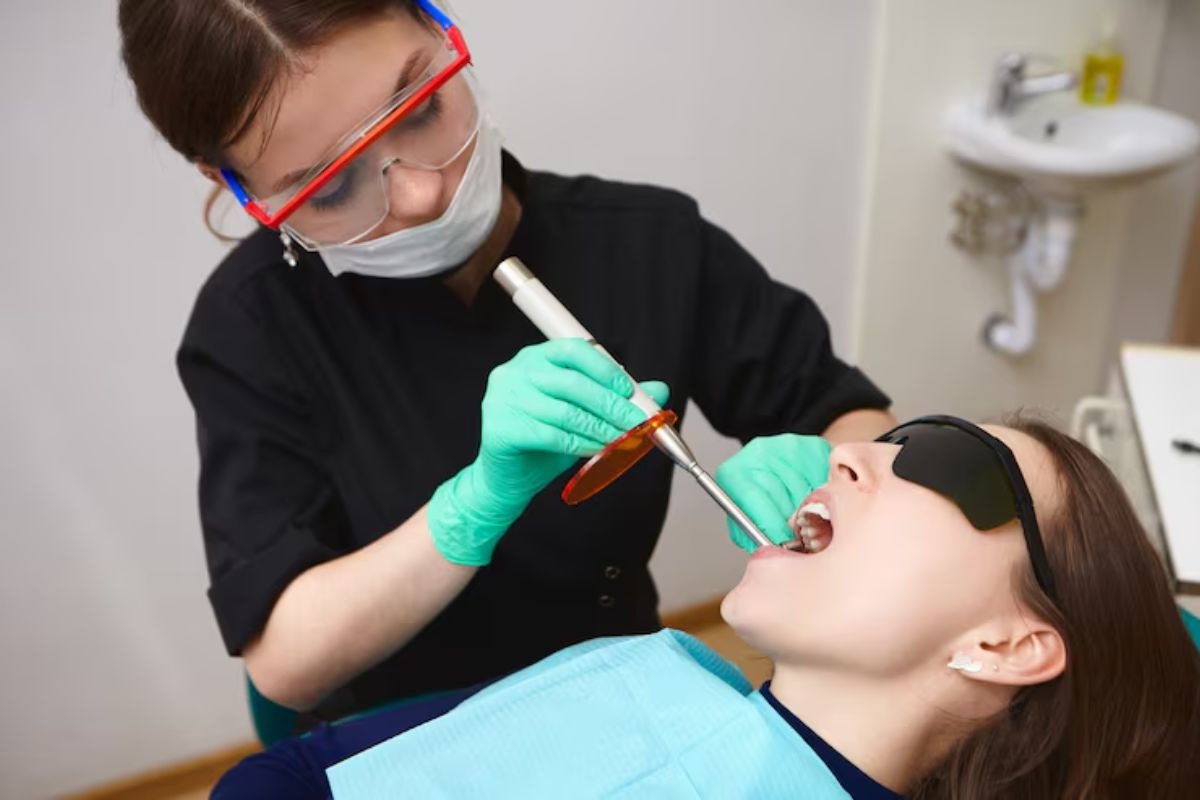
The application itself takes only a few minutes per tooth. The tooth is cleaned, a mild solution is applied to help the sealant bond, and the coating is painted on and hardened with a special light. That is all there is to it.
Dental Sealants Before and After: What Changes?
The difference dental sealant results make is most visible when you look at long-term cavity rates.
Before sealants, the deep grooves of the back teeth were highly vulnerable. Even with good brushing habits, these areas trap plaque and bacteria that slowly eat through the enamel.
Cavities in molars are extremely common — especially in children whose enamel is still maturing.
After sealants, those grooves are sealed off. The smooth surface is easy to clean with regular brushing. Studies consistently show that sealants reduce the risk of cavities in back teeth by up to 80 percent in the years immediately after application.
The cavity prevention results from sealants are well documented. Children who receive sealants are significantly less likely to develop cavities in their molars compared to those who do not.
Who Benefits Most From Dental Sealants?
Sealants are most commonly recommended for children between the ages of six and fourteen — the years when the first and second permanent molars come in. Getting sealants on these teeth as soon as they appear gives them the best protection during the cavity-prone years of childhood.
However, adults can benefit too. A comprehensive dental care may recommend sealants for adult patients who have deep grooves in their teeth, no existing decay or fillings in those areas, and a history of frequent cavities.
Sealants are not suitable for teeth that already have fillings or decay, as the underlying issues need to be treated first. Your dentist will assess each tooth individually before making a recommendation.
How Long Do Sealants Last?
Dental sealants can last between five and ten years with proper care.Explore our dental office andcheck the condition of your sealants at every routine visit and reapply them if needed.
The habits which contribute to the longevity of sealants:
- Use fluoride toothpaste to brush twice a day
- Refrain from eating extremely hard foods, such as ice cubes or very hard sweets
- Visit the dentist for routine check-ups so that the sealant can be assessed
- Do not use your teeth to open packaging or bite your nails
Even with sealants in place, regular brushing, flossing, and dental visits remain essential. Sealants protect the chewing surfaces but do not cover the sides of teeth or the spaces between them.
Protect Your Smile Before Problems Start — Visit Lovelace Family Dentistry
Prevention is always better than treatment. Dental sealants are one of the most effective and affordable ways to protect teeth from the cavities that develop in those hard-to-reach grooves—before they ever get a chance to form.
At Lovelace Family Dentistry, the team is committed to helping patients of all ages maintain healthy smiles through smart, proactive care. If you would like to find out whether sealants are right for you or your child, book your appointment today and take one of the simplest steps available toward long-term dental health.
Frequently Asked Questions:
Do dental sealants hurt to apply?
No. The process is completely painless and does not require any injections or drilling. Most patients including young children tolerate it very easily.
Can sealants be placed over a tooth that already has a small cavity?
No. Sealants are a preventive measure and should only be applied to teeth that are free of decay. If a cavity is present, it needs to be treated before any sealant is considered.
Are sealants just for children?
No, although they are generally considered most beneficial for children, adults with deep grooves in their teeth with no fillings can receive sealants in their deep grooves to protect them.
Do sealants prevent my child from needing fluoride treatments or good brushing?
No, sealants do not eliminate the need for the child to receive fluoride treatments, to brush, floss or to receive dental check-ups. Sealants provide an additional surface on the chewing surfaces of the teeth.