


When a deep toothache shows up out of nowhere, it’s hard to think about anything else. The pressure, the throbbing, the fear of losing the tooth, it all hits at once.
Many people try to ignore it, hoping it will magically go away, but dental pain usually indicates that your tooth needs attention.
If you’ve been worried about a root canal in Ponte Vedra Beach, this guide will walk you through everything in a simple, clear, and calm way. You deserve to save your natural smile without fear or confusion.
What Does an Endodontist Actually Do?
If you’ve ever wondered who handles severe tooth pain or infection, an endodontist is the specialist trained for exactly that.
Endodontists focus on saving natural teeth by treating the inside of the tooth, specifically the pulp and root canals.
Their advanced training, technology, and gentle techniques help make even the most painful dental problems completely manageable.
When Should You See an Endodontist?
Not every toothache indicates the need for a root canal, but constant throbbing, sensitivity to hot or cold temperatures, or pain when chewing are signs that the inner part of the tooth may be infected.
In these situations, the best first step is to consult an endodontist near you, so the problem doesn’t worsen.
How a Root Canal Works
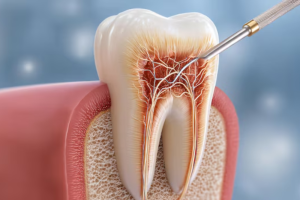
A root canal removes the infection from inside the tooth, cleans the root area, and seals it, so you can keep your natural tooth for years to come.
If you’ve been searching for a root canal, knowing the steps helps bring peace of mind:
- Numbing the tooth
- Cleaning out the infection
- Disinfecting the inside
- Filling and sealing the space
- Restoring the tooth with a crown
Why Saving Your Natural Tooth Matters
Nothing replaces your own tooth, no crown, no implant, no prosthetic. Your natural roots protect your jawbone and help you chew comfortably.
If you’re looking for support or guidance from a dentist near you, ask about your options to keep the natural tooth whenever possible.
The Role of a Local Dentist in Your Treatment Journey
Your general dentist often works closely with an endodontist to ensure your treatment is smooth from start to finish.
They diagnose the issue, refer you when needed, and restore the tooth after the root canal is completed.
Comfort Options for Patients With Dental Anxiety
Many people delay treatment because they’re nervous about discomfort. The truth is, modern techniques + anesthesia make the procedure comfortable.
Your provider may offer sedation, calming techniques, or extra numbing to help you stay relaxed throughout the treatment.
Pediatric and Teen Root Canal Care
Root canals aren’t only for adults. Kids and teens may need them if a tooth is injured or severely decayed.
Gentle specialists can treat younger patients with extra care to keep the process stress-free for both child and parent.
Wrapping Up!
A painful or infected tooth doesn’t mean you’re going to lose it. With the right specialist and timely care, your natural tooth can be saved, and your comfort restored.
Don’t wait, don’t push through the pain, and don’t assume the worst. Relief is absolutely possible.
If you’re dealing with tooth pain or need expert guidance, Lovelace Family Dentistry is here to help you protect your natural smile.
Reach out today to schedule a gentle and comforting visit with a caring team that prioritizes your health.
FAQs
- Does a root canal hurt?
Most patients report that the procedure feels similar to getting a filling because the tooth is completely numb. The pain you feel before treatment usually disappears once the infection is removed.
- How long does a root canal last?
With proper care and good hygiene, a root canal can last for decades, often for the rest of a person’s life.
- Do I always need a crown afterward?
In most cases, yes. A crown helps protect the treated tooth, ensuring it remains strong in the long term.